A Self-Supervised Free Lunch for Flow Map Training

Rabiul Awal

Mila, Université de Montréal

Work in progress

A trajectory from noise to an image. The student makes one long jump from the noisier view; two shorter jumps through the cleaner view land at the same point. Below, the student at the noisier view and the teacher at the cleaner view; the consistency loss makes the student's early features predict the teacher's deep features. noise image student jump two shorter jumps noisier view, t2 student cleaner view, t1 teacher (EMA) early features predict deep features consistency loss, no extra pass
Shortcut DiT-B/2, 1 step 30 40 60 80 0 400k 800k 1.2M 1-step FID Baseline, 100k steps: FID 80.35 Baseline, 200k steps: FID 60.88 Baseline, 300k steps: FID 51.78 Baseline, 400k steps: FID 47.75 Baseline, 500k steps: FID 45.16 Baseline, 600k steps: FID 43.20 Baseline, 700k steps: FID 41.44 Baseline, 801k steps: FID 39.83 Baseline, 900k steps: FID 39.62 Baseline, 1000k steps: FID 37.99 Baseline, 1100k steps: FID 37.11 Baseline, 1200k steps: FID 36.95 iFeCo, 100k steps: FID 69.15 iFeCo, 200k steps: FID 48.86 iFeCo, 300k steps: FID 40.61 iFeCo, 400k steps: FID 37.32 iFeCo, 500k steps: FID 33.93 iFeCo, 600k steps: FID 32.63 iFeCo, 700k steps: FID 30.93 iFeCo, 800k steps: FID 29.75 iFeCo, 900k steps: FID 28.95 iFeCo, 1000k steps: FID 28.27 iFeCo, 1100k steps: FID 27.90 iFeCo, 1200k steps: FID 28.03 2.9× fewer steps Baseline iFeCo
A flow map jumps along one trajectory from noise to image. One long jump lands where two shorter ones land, so each training image gives a noisier view and a cleaner view. The training target already evaluates a teacher at the cleaner view; iFeCo trains early features of the noisier view to predict that teacher's deep features. Right: 1-step FID over training on ImageNet 256×256; the arrow is the training saved to reach the baseline's final FID.

TL;DR: Flow-map training already evaluates a teacher on a cleaner view to build the target for a student on a noisier view. iFeCo adds one loss: early features of the noisier view predict the teacher's deep features of the cleaner view. It needs no external encoder and no extra forward pass.

Work in progress. The results on this page are preliminary: each model is trained once, and some models have not finished training.

Diffusion training seems difficult partly because of the semantic structure that has to come out of it. We have seen representation autoencoders, representation generation and representation alignment. Much of this work says the same thing: diffusion training needs some form of self-supervised signal to train faster and generate better.

Since I was mostly working on few-step models (flow maps), I noticed that they are, in principle, a knowledge distillation algorithm: a student tries to distill from a multi-step teacher. Looked at closely, the student and the teacher see two views of the same data. The teacher gets the cleaner one and the student the noisier one. This gives a consistency target in feature space, without any additional forward pass. That is the free lunch for flow map training.

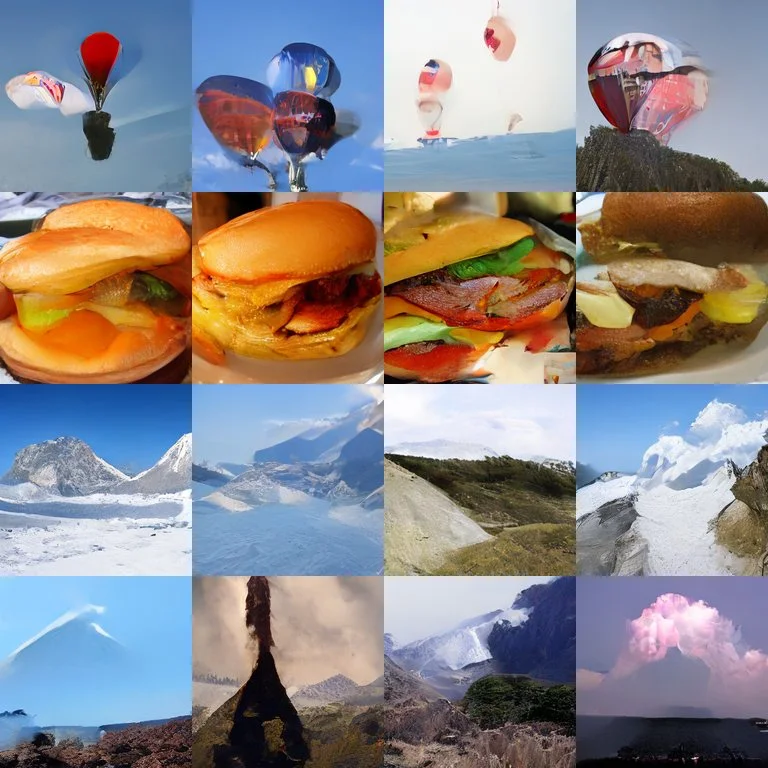
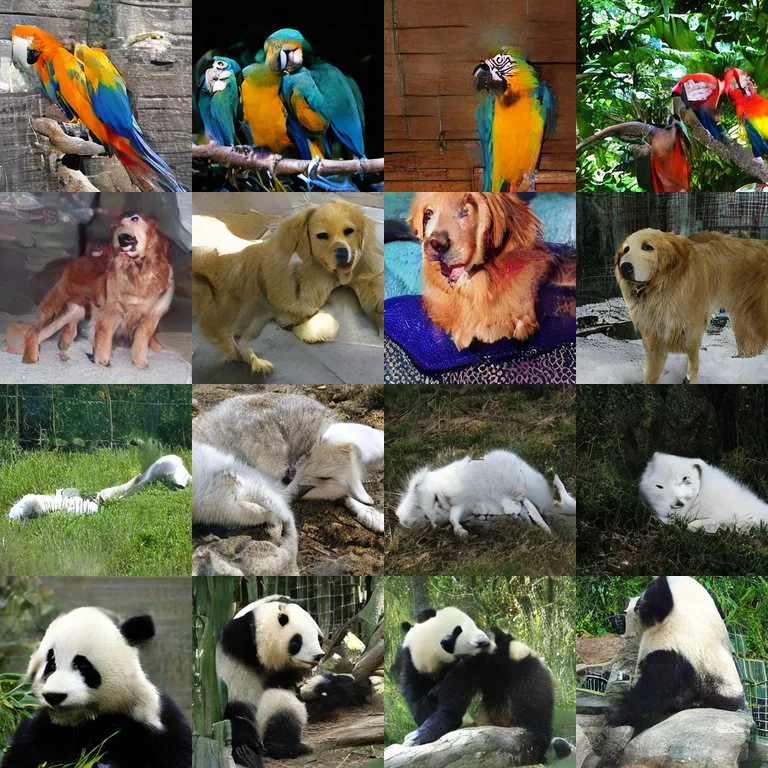
One-step samples
Baseline
Shortcut baseline, one-step samples: four classes, four samples each.
iFeCo
Shortcut with iFeCo, one-step samples with the same classes and noise as the baseline.
Baseline
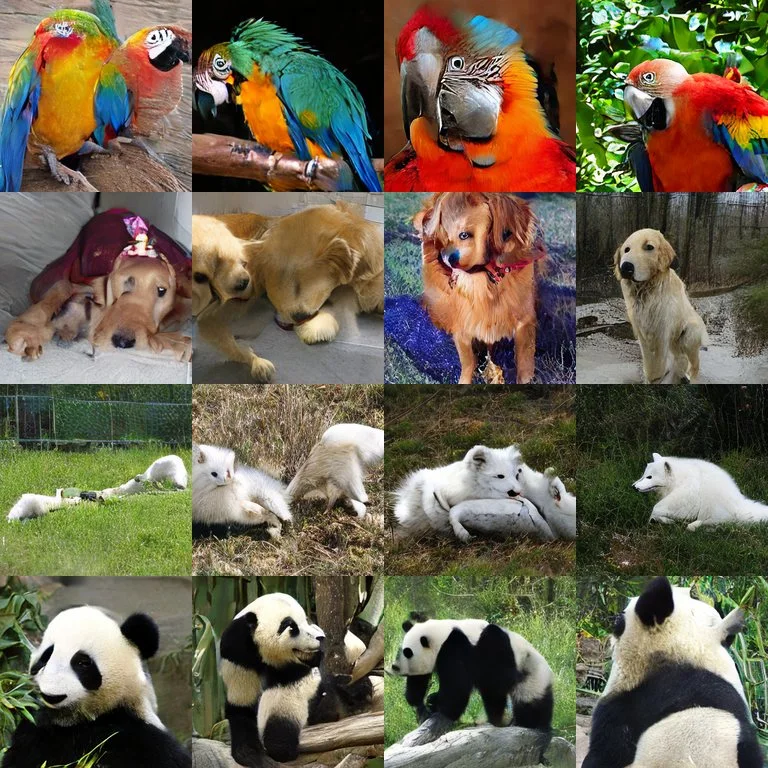
MeanFlow baseline, one-step samples: four classes, four samples each.
iFeCo
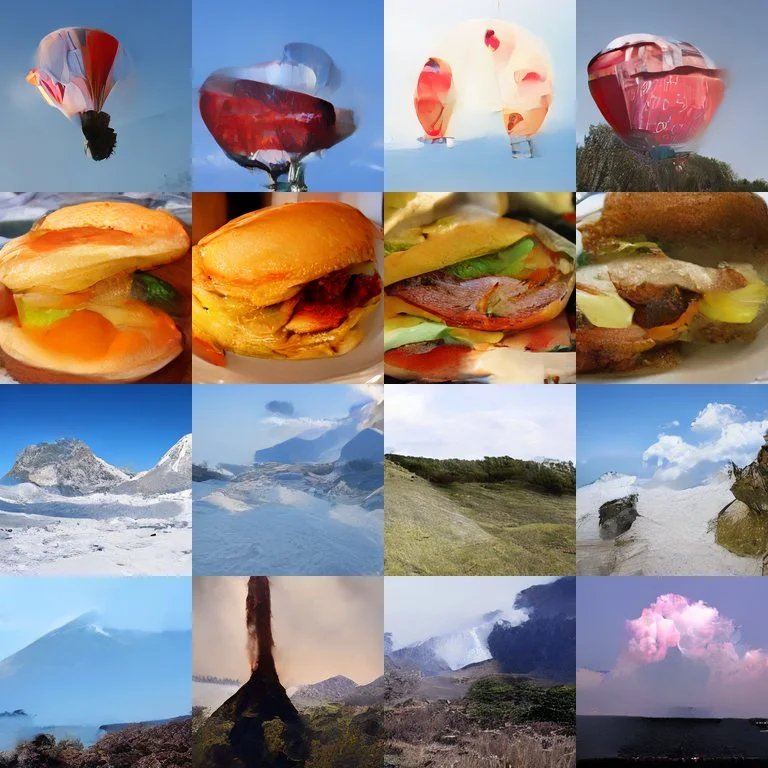
MeanFlow with iFeCo, one-step samples with the same classes and noise as the baseline.
ImageNet 256×256, one sampling step, 1.2M training steps, uncurated. Each row is one class; both grids share classes and noise, so the pictures differ only by the loss.

Two views of one trajectory

The student reads the noisier view and the teacher, an EMA copy of the student, reads the cleaner view. One predictor connects the two.

One training step. The student reads the noisier view and the EMA teacher reads the cleaner view. The flow-map loss uses the teacher's output as its target. The consistency loss maps the student's block-2 features through a predictor to the teacher's block-7 features, with no gradient into the teacher. noisedata t2t1 noisier view student cleaner view teacher (EMA) target flow-map loss block 2 predictor consistency loss block 7, no gradient
One training step. The student reads the noisier view and the EMA teacher reads the cleaner view. The flow-map loss uses the teacher's output as its target. The consistency loss maps the student's block-2 features through a predictor to the teacher's block-7 features, with no gradient into the teacher. noisier view student cleaner view teacher (EMA) target flow-maploss block 2 predictor consistency loss block 7, no gradient

One training step. The teacher's forward pass builds the flow-map target and, in the same pass, supplies the deep features that the student's early features learn to predict.

The predictor is a two-layer MLP; the consistency loss is the cosine distance between its output and the teacher's features, per token, and the predictor is discarded after training. One setting serves all three families: loss weight 0.25, student block at a quarter of the depth (block 2 of 12 at B/2), teacher block at 70% (block 7 of 12).

The teacher pass is already there

Each flow-map family passes through the cleaner view when it builds its training target. iFeCo reads the teacher's features from that pass.

Shortcut target: two EMA half steps student jump EMA half steps noise data teacher: EMA at the start of the second half step MeanFlow target: a JVP along the path student jump first-order step noise data teacher: model features moved along the path by the JVP LSD target: EMA velocity at landing student jump EMA velocity noise data teacher: EMA at the landing point
Black dot: the noisier view, where the student starts. Amber ring: the cleaner view, where the teacher reads its deep features. Dashed: steps the training target already takes, in Shortcut Models, MeanFlow and LSD. The added cost is the small predictor and its loss: each training step takes 4 to 6% more time.

Results

iFeCo reaches the baseline's final 1-step FID 1.3 to 2.9 times sooner in five of six settings. On Shortcut, the speedup grows with training. On MeanFlow XL/2, iFeCo leads until 300k steps and then falls behind.

MeanFlow SiT-B/2 5 6 8 10 15 0 400k 800k 1.2M 1-step FID Baseline, 200k steps: FID 15.91 Baseline, 300k steps: FID 11.75 Baseline, 400k steps: FID 9.79 Baseline, 500k steps: FID 8.58 Baseline, 600k steps: FID 7.72 Baseline, 700k steps: FID 7.10 Baseline, 800k steps: FID 6.63 Baseline, 900k steps: FID 6.61 Baseline, 1000k steps: FID 6.40 Baseline, 1100k steps: FID 6.24 Baseline, 1200k steps: FID 6.12 REPA, 200k steps: FID 11.97 REPA, 300k steps: FID 8.64 REPA, 400k steps: FID 7.36 REPA, 500k steps: FID 6.43 REPA, 600k steps: FID 5.87 REPA, 700k steps: FID 5.63 REPA, 800k steps: FID 5.36 REPA, 900k steps: FID 5.24 REPA, 1000k steps: FID 5.04 REPA, 1100k steps: FID 4.99 REPA, 1200k steps: FID 4.86 iFeCo, 200k steps: FID 14.69 iFeCo, 300k steps: FID 10.41 iFeCo, 400k steps: FID 8.50 iFeCo, 500k steps: FID 7.49 iFeCo, 600k steps: FID 6.93 iFeCo, 700k steps: FID 6.49 iFeCo, 800k steps: FID 6.38 iFeCo, 900k steps: FID 6.23 iFeCo, 1000k steps: FID 5.98 iFeCo, 1100k steps: FID 5.90 iFeCo, 1200k steps: FID 5.69 1.3× sooner Shortcut DiT-B/2 30 40 60 80 0 400k 800k 1.2M 1-step FID Baseline, 100k steps: FID 80.35 Baseline, 200k steps: FID 60.88 Baseline, 300k steps: FID 51.78 Baseline, 400k steps: FID 47.75 Baseline, 500k steps: FID 45.16 Baseline, 600k steps: FID 43.20 Baseline, 700k steps: FID 41.44 Baseline, 801k steps: FID 39.83 Baseline, 900k steps: FID 39.62 Baseline, 1000k steps: FID 37.99 Baseline, 1100k steps: FID 37.11 Baseline, 1200k steps: FID 36.95 REPA, 100k steps: FID 81.26 REPA, 200k steps: FID 61.68 REPA, 300k steps: FID 52.91 REPA, 400k steps: FID 47.26 REPA, 500k steps: FID 44.46 REPA, 600k steps: FID 41.99 REPA, 700k steps: FID 40.09 REPA, 800k steps: FID 38.75 REPA, 900k steps: FID 38.04 REPA, 1000k steps: FID 36.87 REPA, 1100k steps: FID 36.89 REPA, 1200k steps: FID 36.11 iFeCo, 100k steps: FID 69.15 iFeCo, 200k steps: FID 48.86 iFeCo, 300k steps: FID 40.61 iFeCo, 400k steps: FID 37.32 iFeCo, 500k steps: FID 33.93 iFeCo, 600k steps: FID 32.63 iFeCo, 700k steps: FID 30.93 iFeCo, 800k steps: FID 29.75 iFeCo, 900k steps: FID 28.95 iFeCo, 1000k steps: FID 28.27 iFeCo, 1100k steps: FID 27.90 iFeCo, 1200k steps: FID 28.03 2.9× sooner LSD SiT-B/2 10 15 20 30 40 0 400k 800k 1.2M 1-step FID Baseline, 100k steps: FID 41.13 Baseline, 200k steps: FID 26.91 Baseline, 300k steps: FID 20.88 Baseline, 400k steps: FID 18.27 Baseline, 500k steps: FID 16.19 Baseline, 600k steps: FID 15.35 Baseline, 700k steps: FID 14.76 Baseline, 800k steps: FID 14.09 Baseline, 900k steps: FID 13.80 Baseline, 1000k steps: FID 12.96 Baseline, 1100k steps: FID 12.56 Baseline, 1200k steps: FID 12.42 REPA, 100k steps: FID 37.38 REPA, 200k steps: FID 22.43 REPA, 300k steps: FID 17.52 REPA, 400k steps: FID 15.68 REPA, 500k steps: FID 13.61 REPA, 600k steps: FID 13.45 REPA, 700k steps: FID 12.74 REPA, 800k steps: FID 12.68 REPA, 900k steps: FID 12.07 iFeCo, 100k steps: FID 37.15 iFeCo, 200k steps: FID 20.97 iFeCo, 300k steps: FID 16.22 iFeCo, 400k steps: FID 14.10 iFeCo, 500k steps: FID 12.46 iFeCo, 600k steps: FID 11.58 iFeCo, 700k steps: FID 11.31 iFeCo, 800k steps: FID 11.16 iFeCo, 900k steps: FID 10.98 iFeCo, 1000k steps: FID 10.39 iFeCo, 1100k steps: FID 10.21 2.4× sooner MeanFlow SiT-XL/2 4 6 8 12 0 400k 800k 1.2M 1-step FID Baseline, 100k steps: FID 15.25 Baseline, 200k steps: FID 7.45 Baseline, 300k steps: FID 5.25 Baseline, 400k steps: FID 4.40 Baseline, 500k steps: FID 3.80 Baseline, 600k steps: FID 3.79 Baseline, 700k steps: FID 3.78 iFeCo, 100k steps: FID 14.72 iFeCo, 200k steps: FID 7.13 iFeCo, 300k steps: FID 5.03 iFeCo, 400k steps: FID 4.62 iFeCo, 500k steps: FID 4.33 iFeCo, 600k steps: FID 4.02 Shortcut DiT-XL/2 15 20 30 40 60 0 400k 800k 1.2M 1-step FID Baseline, 100k steps: FID 55.64 Baseline, 200k steps: FID 37.08 Baseline, 300k steps: FID 29.43 Baseline, 400k steps: FID 25.78 Baseline, 500k steps: FID 23.35 Baseline, 600k steps: FID 21.93 Baseline, 700k steps: FID 20.87 Baseline, 800k steps: FID 20.27 Baseline, 900k steps: FID 19.74 Baseline, 1000k steps: FID 19.34 Baseline, 1100k steps: FID 19.00 Baseline, 1200k steps: FID 18.55 iFeCo, 100k steps: FID 44.42 iFeCo, 200k steps: FID 27.06 iFeCo, 300k steps: FID 21.33 iFeCo, 400k steps: FID 18.27 iFeCo, 500k steps: FID 16.55 iFeCo, 600k steps: FID 15.61 iFeCo, 700k steps: FID 14.52 iFeCo, 800k steps: FID 13.89 iFeCo, 900k steps: FID 13.66 iFeCo, 1000k steps: FID 13.17 iFeCo, 1100k steps: FID 12.89 iFeCo, 1200k steps: FID 12.71 2.7× sooner LSD SiT-XL/2 7 8 10 15 20 0 400k 800k 1.2M 1-step FID Baseline, 100k steps: FID 21.87 Baseline, 200k steps: FID 13.12 Baseline, 300k steps: FID 11.17 Baseline, 400k steps: FID 9.54 Baseline, 500k steps: FID 8.97 Baseline, 600k steps: FID 8.45 Baseline, 700k steps: FID 8.08 Baseline, 800k steps: FID 8.06 Baseline, 900k steps: FID 7.72 Baseline, 1000k steps: FID 7.94 Baseline, 1100k steps: FID 7.50 Baseline, 1200k steps: FID 7.53 iFeCo, 100k steps: FID 17.23 iFeCo, 200k steps: FID 10.96 iFeCo, 300k steps: FID 9.26 iFeCo, 400k steps: FID 8.41 iFeCo, 500k steps: FID 8.12 iFeCo, 600k steps: FID 7.75 iFeCo, 700k steps: FID 7.37 iFeCo, 800k steps: FID 7.04 iFeCo, 900k steps: FID 7.28 1.5× sooner
1-step FID-50k over training steps on ImageNet 256×256 (log scale). The label gives how many times sooner iFeCo reaches the baseline's final FID. XL/2 models are still training. REPA, shown at B/2, is our reference with a frozen DINOv2 encoder.
ModelStepsBaselineiFeCoREPASpeedup
Shortcut DiT-B/21.2M36.9528.0336.112.9×
Shortcut DiT-XL/21.0M19.3413.17–2.7×
MeanFlow SiT-B/21.2M6.125.694.861.3×
MeanFlow SiT-XL/2500k3.804.33––
LSD SiT-B/21.2M12.429.96–2.4×
LSD SiT-XL/2900k7.727.28–1.5×

1-step FID-50k (lower is better) with ADM reference statistics. Speedup: how many times sooner iFeCo reaches the baseline's final 1-step FID. MeanFlow XL/2 and LSD XL/2 have not finished their schedules. The MeanFlow and LSD models here use an extra EMA teacher forward pass in place of the free teacher; models with the free teacher are in training.

ModelSampling stepsBaselineiFeCoREPA
Shortcut DiT-B/2823.8918.0416.14
MeanFlow SiT-B/245.525.53–
LSD SiT-B/246.475.58–

Multi-step sampling, FID-50k at 1.2M training steps. On Shortcut and LSD the one-step gain carries over to more sampling steps; on MeanFlow the 4-step FIDs tie.

Comparison with REPA. REPA aligns features with a frozen DINOv2 encoder. Our REPA reference uses the same student block as iFeCo, is not tuned for flow maps, and does not reproduce the published REPA. Which target is better depends on the family and on the number of sampling steps. iFeCo has the lower 1-step FID on Shortcut B/2 (28.03 against 36.11) and on LSD B/2 (10.98 against 12.07 at 900k steps). REPA is better on MeanFlow B/2 (4.86 against 5.69) and with 8 sampling steps on Shortcut B/2 (16.14 against 18.04) and LSD B/2 (4.97 against 5.78).

BibTeX

@article{awal2026ifeco,
  title  = {A Self-Supervised Free Lunch for Flow Map Training},
  author = {Awal, Rabiul and others},
  year   = {2026},
  note   = {Preprint coming soon}
}